The Interconnected Landscape of Smartphone Entertainment: Incentives, Mechanics, and Security
Written by Quinn Griffin · Jul 31, 2026
The Interconnected Landscape of Smartphone Entertainment: Incentives, Mechanics, and Security
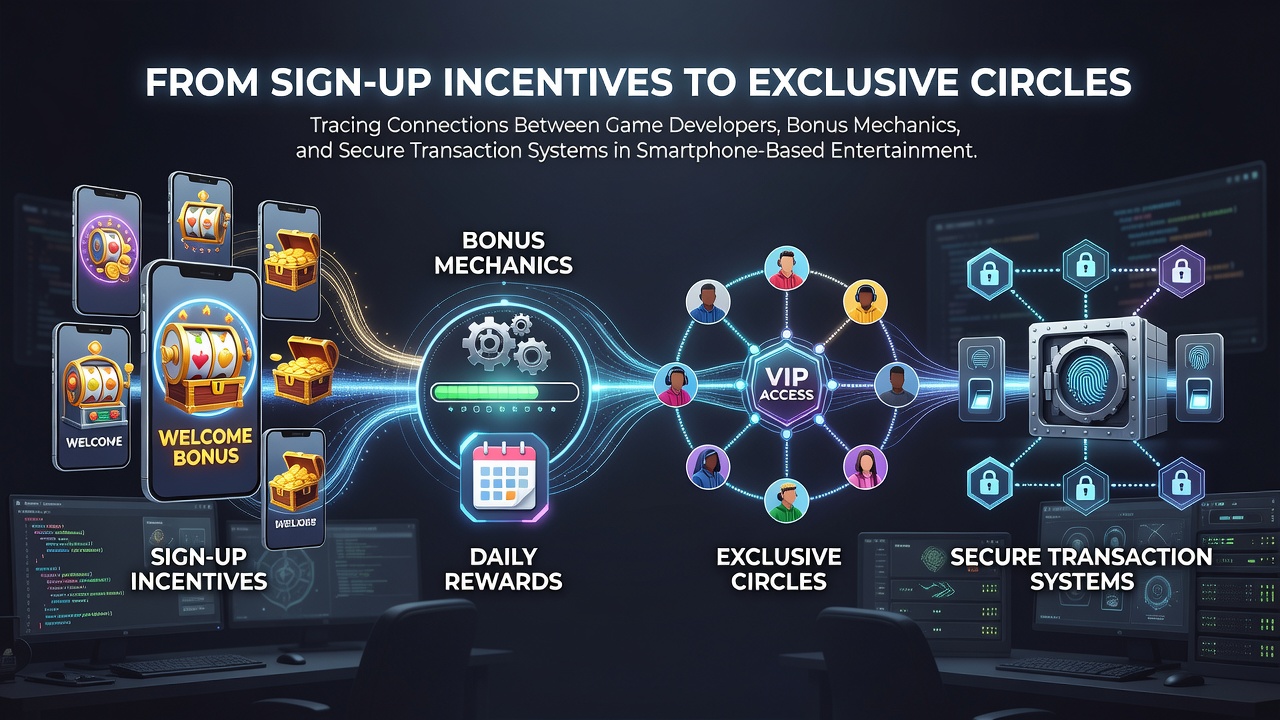
Smartphone-based entertainment has grown into a complex ecosystem where game developers integrate sign-up incentives with layered bonus mechanics and robust transaction systems, creating pathways that connect initial user engagement to sustained participation in exclusive community features. Research from academic institutions indicates that these elements operate in tandem, with developers crafting reward structures that encourage progression while payment processors handle seamless and protected exchanges across global markets.
Developer Approaches to Incentive Design
Game developers often build initial sign-up incentives such as welcome packs or resource grants that tie directly into broader bonus frameworks, allowing players to advance through levels and unlock additional content without immediate financial commitment. Studies conducted by research teams at universities in Canada reveal that these mechanics draw from behavioral data patterns, where early rewards increase retention rates by aligning user actions with escalating challenges that lead toward private group access or specialized events. Observers note how this process unfolds across platforms, with developers collaborating with analytics firms to refine offer timing and value based on regional user preferences.
Bonus Mechanics Driving Engagement Loops
Bonus systems in mobile entertainment extend beyond simple rewards, incorporating daily login streaks, achievement multipliers, and tiered progression that funnel participants toward exclusive circles reserved for high-activity users. Evidence from industry reports shows these layers connect with developer tools like event calendars and social features, fostering communities where members share strategies and compete in limited-access modes. As of July 2026, platform updates have introduced new integration points that link bonus triggers more closely with in-app economies, enabling smoother transitions between free and paid participation paths while maintaining consistent security protocols.
One notable pattern emerges when developers partner with third-party providers to embed bonuses that scale with transaction history, turning routine play into structured journeys that reward loyalty through access to private leaderboards and custom content drops.
Secure Transaction Frameworks in Mobile Ecosystems
Secure transaction systems form the backbone that supports these incentive and bonus structures, employing encryption standards and compliance measures to process deposits, withdrawals, and micro-purchases across diverse payment networks. Data compiled by the Australian Competition and Consumer Commission highlights how these frameworks reduce friction for users while complying with varying international regulations, allowing developers to maintain trust as players move from basic sign-ups to premium circle memberships. What's interesting is the way payment gateways now incorporate real-time verification that syncs with bonus eligibility checks, ensuring rewards activate only after confirmed transactions.
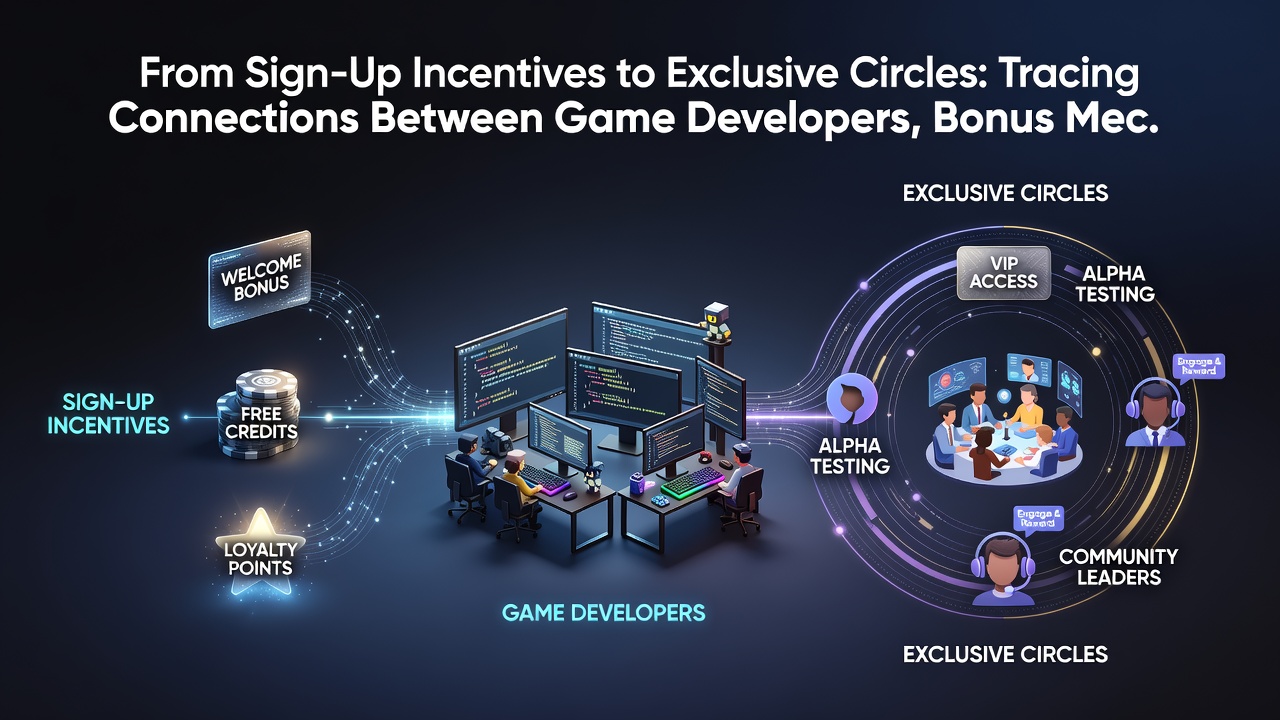
According to findings from the Federal Trade Commission, enhanced authentication methods have become standard in many regions, supporting the flow of funds that underpins exclusive access features without exposing user details. This integration allows game developers to expand their offerings while transaction providers handle scalability during peak engagement periods.
Tracing the Full Connection Chain
The pathway from sign-up incentives through bonus mechanics to secure transactions creates a unified experience where each component reinforces the others, with developers using feedback from transaction volumes to adjust reward frequencies and exclusivity thresholds. Research indicates that platforms employing these linked systems see measurable shifts in user lifetime value, as participants progress from casual entry points to dedicated involvement in closed communities. Those who've examined app store metrics across Europe note that regulatory alignment on data handling further strengthens these connections, permitting cross-border play without compromising protection layers.
Yet the evolution continues as new tools emerge, with developers experimenting with hybrid models that blend social incentives and payment security to sustain long-term interest in smartphone entertainment titles.
Conclusion
Connections between game developers, bonus mechanics, and secure transaction systems continue to define smartphone-based entertainment, shaping how users enter, engage, and advance into exclusive spaces through structured yet flexible designs. Ongoing advancements ensure these elements remain coordinated, supporting growth across markets while adapting to emerging standards in security and user experience.