Synchronizing Thrills: Examining Connections Between Bonus Mechanics, Transaction Systems, and Loyalty Structures in Digital Reel and Table Environments
Written by Quinn Griffin · May 29, 2026
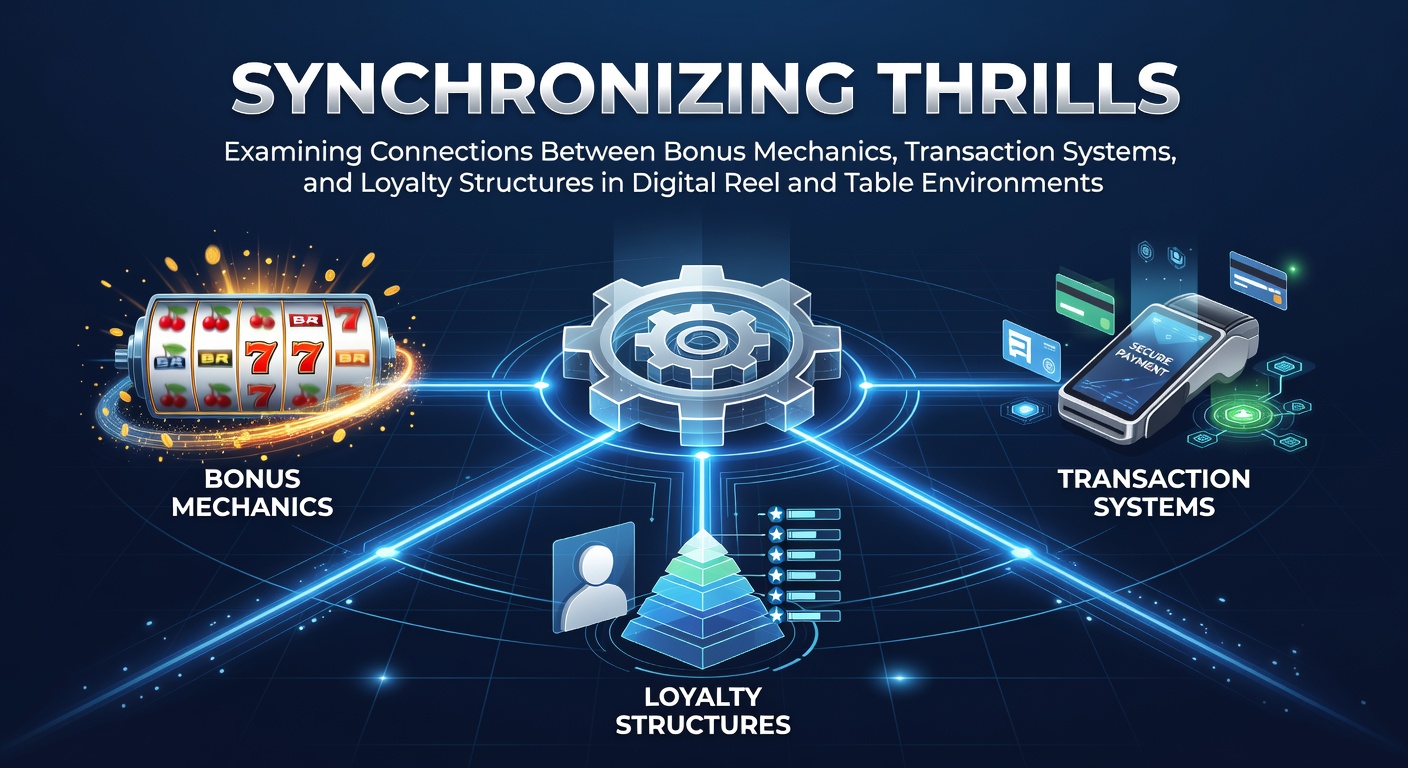
Synchronizing Thrills: Examining Connections Between Bonus Mechanics, Transaction Systems, and Loyalty Structures in Digital Reel and Table Environments
Digital gaming platforms coordinate bonus mechanics with transaction systems and loyalty structures to form unified player pathways across reel-based titles and table environments. These elements operate through shared data frameworks where deposit actions trigger eligibility checks that activate layered rewards while accumulating points toward tiered status levels. Operators design these connections so that seamless payment processing feeds directly into bonus qualification criteria, which in turn influence loyalty progression rates.
Bonus Mechanics and Their Integration Points
Bonus structures in digital reels typically include free spin allocations, multiplier applications, and progressive accumulators that activate upon specific transaction thresholds. Table environments incorporate similar features through match-play credits and side-bet enhancements that align with deposit volumes. Data shows these mechanics rely on real-time verification from payment gateways, allowing platforms to apply rewards within seconds of completed transfers. Researchers at institutions tracking global iGaming patterns have documented how bonus triggers now embed loyalty multipliers that scale according to account tenure and play frequency.
Transaction systems supply the foundational data streams. Instant deposit confirmations update player ledgers that bonus engines scan for qualifying patterns, while withdrawal processes pause to verify loyalty redemptions. This synchronization reduces latency between action and reward delivery, creating continuous engagement loops. In May 2026, several major platforms plan to roll out unified APIs that further tighten these connections across mobile and desktop interfaces.
Transaction Systems as the Central Link
Payment processing forms the operational core that links bonuses to loyalty tracking. Providers route deposits through processors that flag transaction metadata for bonus engines and loyalty databases simultaneously. This dual-routing approach ensures that every qualifying transfer increments both immediate reward balances and long-term status metrics. Observers note that platforms handling high-volume reel traffic often deploy predictive algorithms to anticipate bonus eligibility before the transaction fully settles.
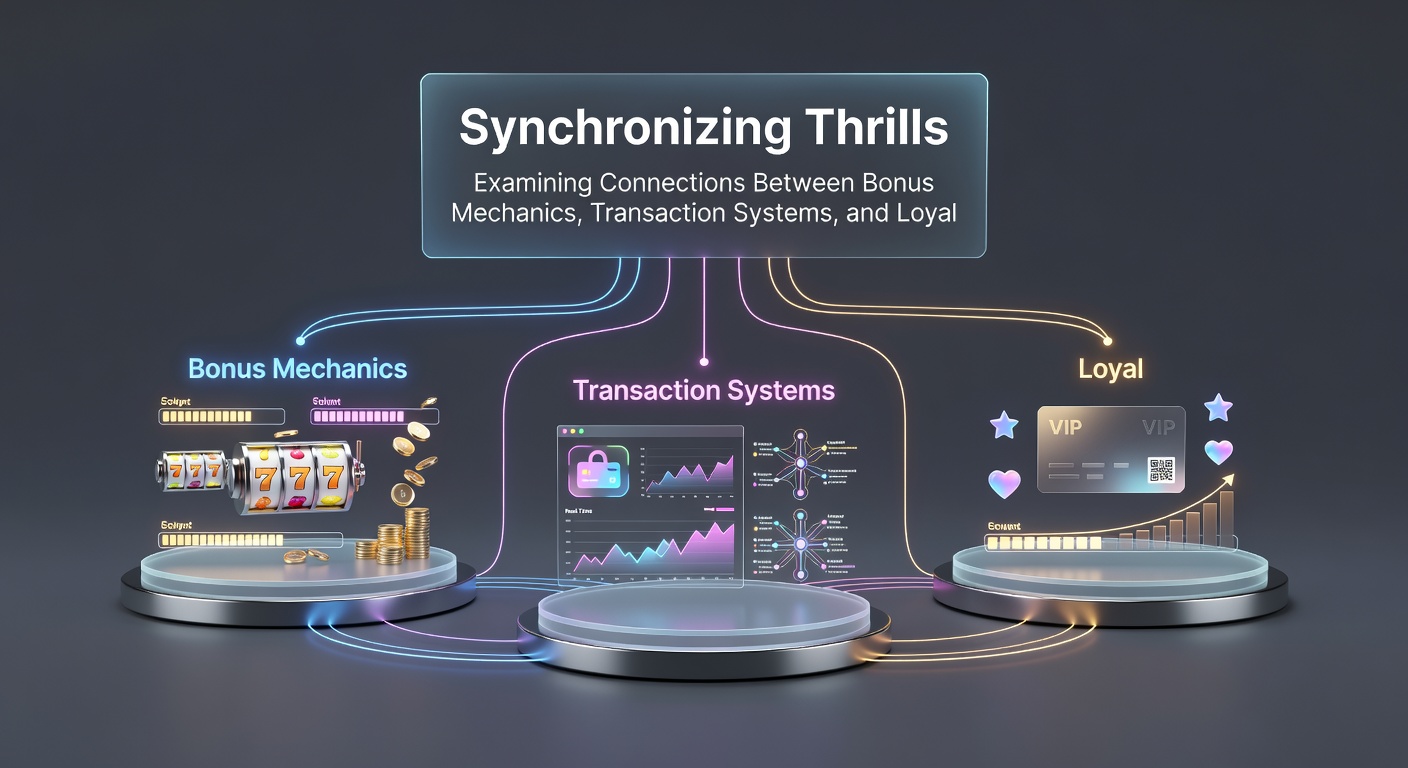
Table game environments apply parallel logic through dealer-assisted digital interfaces. Players completing buy-ins receive instant loyalty credits that unlock bonus variants such as enhanced payout tables or risk-free rounds. Reports from the American Gaming Association indicate that integrated payment-loyalty pipelines have expanded across North American markets, supporting cross-game reward portability between reel and table offerings.
Loyalty Structures and Reward Escalation
Loyalty frameworks accumulate data from both bonus redemptions and transaction histories to determine tier advancement. Points earned through regular play combine with bonus-derived activity to accelerate progression, while premium tiers unlock exclusive transaction options such as fee-free processing or priority withdrawal queues. These structures create feedback loops where higher loyalty status increases bonus frequency and value, which then generates additional transaction volume.
Platforms in the Asia-Pacific region have implemented loyalty dashboards that display projected tier benefits based on upcoming transaction patterns and bonus utilization rates. A Victorian Responsible Gambling Foundation analysis highlighted measurable correlations between synchronized reward systems and sustained player activity across multiple game categories. Reel titles often feature loyalty-driven jackpot contributions, whereas table environments tie status levels to personalized betting limits and comped amenities delivered through the same transaction rails.
Cross-Environment Synchronization Patterns
Developers build unified player profiles that carry bonus eligibility, transaction preferences, and loyalty standing across reel and table domains. This architecture permits seamless transitions where a loyalty tier achieved in slots automatically applies to table game access, and transaction histories inform personalized bonus offers in both settings. Technical implementations use centralized ledgers updated through event-driven triggers that fire whenever a payment completes or a bonus activates.
Case studies from European operators reveal that players interacting with synchronized systems complete more transactions per session while advancing through loyalty tiers at accelerated rates. These patterns emerge because bonus mechanics surface relevant offers at transaction completion points, and loyalty structures reward the resulting activity with escalating benefits that encourage continued engagement.
Conclusion
The interplay among bonus mechanics, transaction systems, and loyalty structures forms a cohesive operational model in digital reel and table environments. Transaction confirmations serve as the primary catalyst that activates bonuses while feeding loyalty calculations, creating continuous cycles of reward delivery and status advancement. As platforms refine these connections through improved APIs and data integration scheduled for broader deployment around May 2026, the synchronization supports more responsive and interconnected player experiences across game types.