Payment Pathways: Connecting Entry Bonuses to Elite Jackpots in Mobile Slots and Live Dealer Sessions
Written by Gisela Richter · Aug 10, 2026

Payment Pathways: Connecting Entry Bonuses to Elite Jackpots in Mobile Slots and Live Dealer Sessions
Transaction networks form the core infrastructure that moves player funds from initial deposits through layered promotions and into higher reward structures across smartphone slot platforms and real-time dealer environments. These systems handle deposits, withdrawals, and tracking data in ways that allow operators to automate the shift from welcome offers to loyalty-based jackpot access. Data from industry reports shows that integrated payment processors now manage both fiat and digital currency flows while embedding bonus triggers directly into the transaction layer.
How Initial Deposits Activate Entry-Level Promotions
When a player completes a first deposit through a mobile app, the transaction network routes the funds and simultaneously flags eligibility for introductory bonuses such as matched deposits or free spins. Payment gateways record the amount, timestamp, and payment method, then pass this information to the casino’s backend systems that apply the promotion rules without manual intervention. In August 2026, several major platforms updated their gateway protocols to include instant bonus credit confirmation, reducing the delay between deposit and playable funds to under three seconds in many cases.
Real-time dealer sessions follow a similar pattern yet incorporate additional verification steps for live table access. Observers note that transaction networks must confirm sufficient balance before granting entry to dealer-hosted games, while also logging the session toward future tier advancement. This dual function keeps the player experience seamless while building the data trail required for progression tracking.
Progression Tracking and Tier Advancement Mechanisms
Once introductory promotions are redeemed, the same networks continue to monitor wager volume, deposit frequency, and game type selection. Algorithms within the payment layer calculate points or loyalty credits that determine movement into mid-level and elite tiers. These tiers unlock access to exclusive jackpot pools and higher-value live dealer tables. Studies from the European Gaming and Betting Association indicate that operators using unified transaction systems see faster player migration from entry offers to premium features compared with fragmented payment setups.
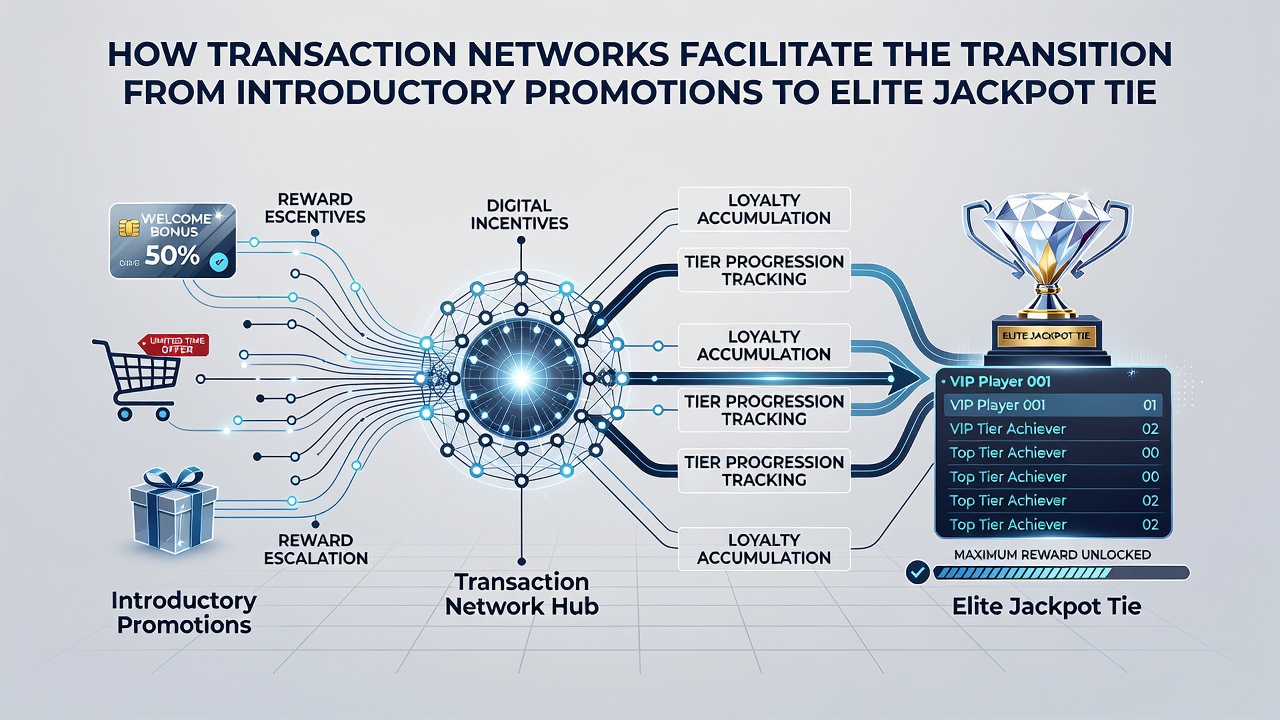
Smartphone slot games rely heavily on this continuous data flow because most play occurs in short, frequent sessions. The network aggregates micro-transactions across multiple games and feeds the totals into the loyalty engine. When cumulative activity reaches defined thresholds, the system automatically notifies the player of tier upgrades and associated jackpot eligibility. Live dealer environments add another layer by recording table-specific spend and time spent, which some networks convert into separate VIP points that accelerate access to high-stakes rooms.
Security and Compliance Layers Within Transaction Flows
Modern transaction networks embed compliance checks at every stage to meet regional licensing requirements. These checks verify player identity, monitor transaction patterns for responsible gaming flags, and restrict access to certain jackpot tiers until age and location criteria are satisfied. In practice, the network acts as both facilitator and gatekeeper, ensuring that progression toward elite rewards occurs only within regulated boundaries.
Payment providers also supply the infrastructure for cross-border play in markets where operators hold multiple licenses. Data shows that seamless currency conversion and localized payment methods help maintain momentum as players move from entry promotions into higher jackpot brackets without encountering friction that might otherwise stall advancement.
Future Integration Trends Observed in 2026
By August 2026, several providers had begun testing blockchain-based settlement layers that record every bonus trigger and tier advancement on an immutable ledger. This approach allows players and regulators to review the exact path from first deposit to elite jackpot qualification. Early implementations focus on mobile slot ecosystems but are expected to expand into live dealer offerings as latency improvements continue.
Transaction networks therefore serve as the continuous thread that ties together promotional mechanics, player activity data, and reward delivery across both smartphone slots and real-time dealer sessions. Their ability to automate progression while maintaining security and compliance supports the structured movement from introductory offers to premium jackpot access without requiring separate systems for each stage.
Conclusion
Transaction networks operate as the central mechanism that converts initial deposits and entry promotions into sustained engagement and eventual access to elite jackpot tiers. By integrating payment processing, loyalty tracking, and compliance verification into a single flow, these systems enable operators to deliver consistent progression pathways in both mobile slot and live dealer environments. The result is a streamlined infrastructure where player activity directly fuels advancement toward higher reward levels across multiple game formats.