Mapping Incentive Architectures: How Developers Fuse Instant Payment Tools with Persistent Interaction Patterns Across Mobile Slots and Live Dealer Formats
Written by Quinn Griffin · May 20, 2026
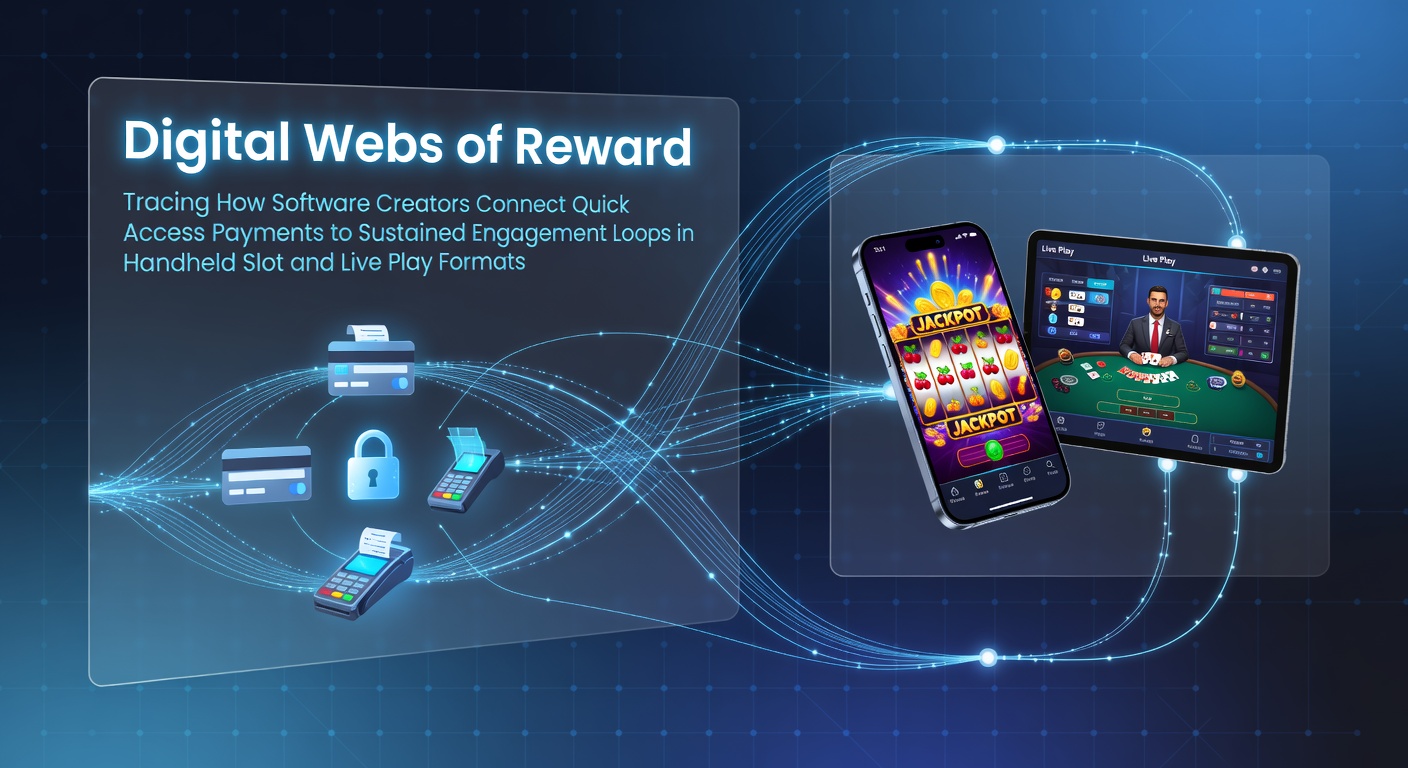
Mapping Incentive Architectures: How Developers Fuse Instant Payment Tools with Persistent Interaction Patterns Across Mobile Slots and Live Dealer Formats
Software creators build layered systems that link rapid transaction processing directly to game mechanics, creating continuous cycles where each completed payment feeds data back into session management tools. These frameworks rely on API connections between payment processors and game engines, allowing players to resume activity without leaving the interface. In May 2026 observers noted expanded adoption of these connections across handheld platforms, particularly as developers refined real-time synchronization between deposit confirmations and ongoing play states.Core Components of Payment-Linked Engagement Systems
Developers design payment gateways that communicate with central game servers through encrypted channels, recording each transaction as an event that triggers session extensions or feature unlocks. Data flows from the banking layer into analytics modules that track play duration, bet frequency, and device type, then adjust interface elements accordingly. Such integration reduces the steps between funding an account and entering a live dealer table or spinning a progressive reel sequence, keeping momentum intact across multiple rounds.
Engineers often embed event listeners within slot frameworks that detect successful transfers within milliseconds, prompting immediate credit updates visible on screen. Live play formats use similar listeners to synchronize dealer streams with wallet balances, so participants experience uninterrupted action once funds arrive. Research from the University of Nevada's International Gaming Institute indicates these listeners cut average transition times by measurable margins in controlled tests conducted through 2025.
Technical Pathways Connecting Transactions to Retention Loops
Payment processors supply standardized endpoints that slot studios incorporate into their build pipelines, enabling automatic balance refreshes without manual intervention. Once a transfer completes, the system logs the amount, timestamp, and player identifier, then routes that record to a retention algorithm. The algorithm calculates optimal timing for next prompts, such as suggested bet adjustments or table seat reservations in streamed environments.
Developers test these pathways across Android and iOS environments to maintain consistency, since handheld devices introduce variable network conditions. When latency spikes, fallback scripts maintain the loop by queuing credits locally until confirmation arrives. Figures from the European Gaming and Betting Association show increased stability in such queued systems among operators who adopted enhanced caching protocols by early 2026.
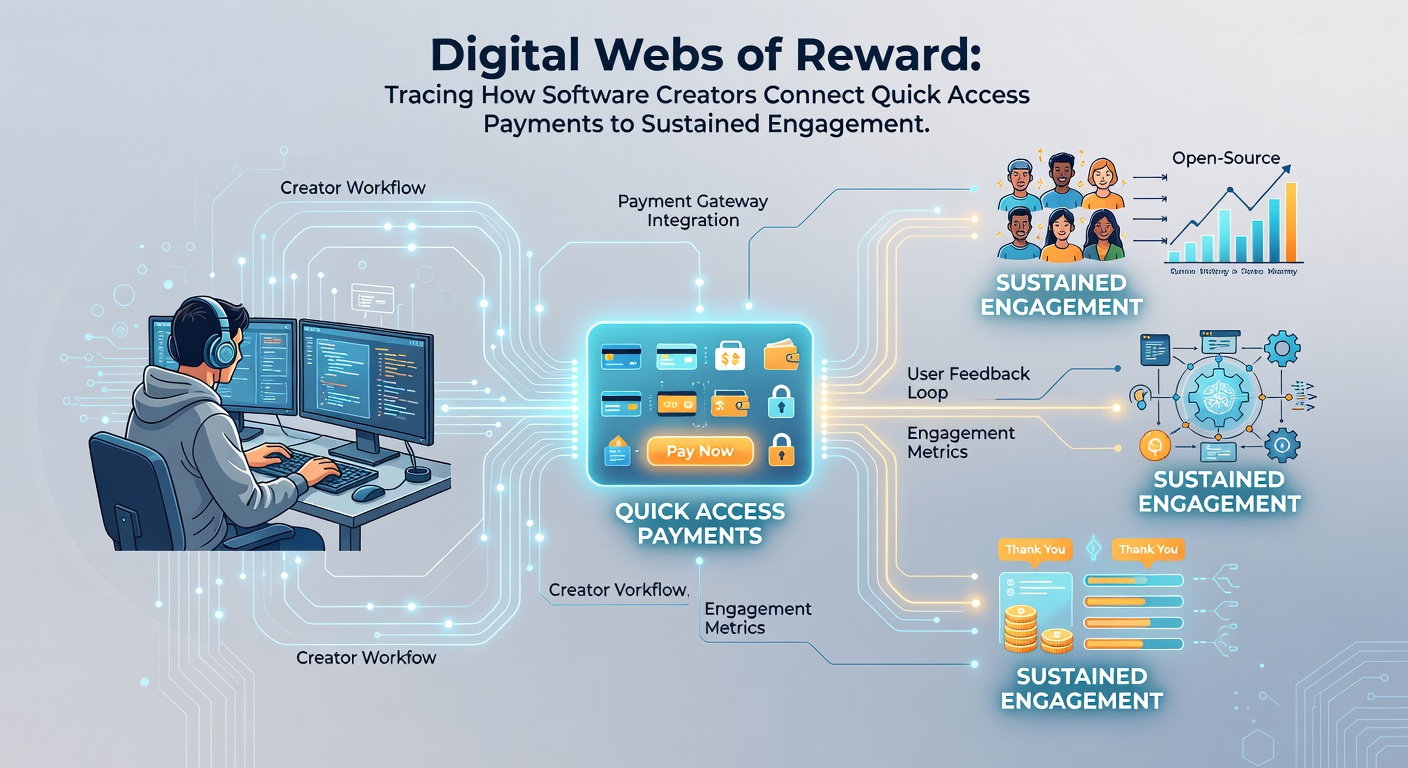
Analytics Driving Sustained Interaction Cycles
Backend dashboards aggregate payment and gameplay data into heat maps that reveal peak engagement windows. Teams adjust loop parameters accordingly, for instance by modulating reel speeds or dealer pace in response to detected drop-off points. Machine learning models trained on historical sessions predict when a player might exit and insert friction-reducing elements, such as one-tap top-up buttons positioned near active game windows.
Live casino modules incorporate similar models that monitor chat activity alongside transaction logs, identifying moments when conversation volume correlates with spending patterns. Developers refine these correlations through iterative A/B testing on select user cohorts, tracking retention metrics over weeks rather than single sessions. Australian research published by the Centre for Gambling Research at the Australian National University documents parallel patterns in cross-platform live dealer environments during comparable testing phases.
Security and Compliance Layers Within Reward Networks
Encryption standards protect the data streams that carry payment details into engagement engines, while audit trails record every linkage between transaction events and subsequent game actions. Regulatory frameworks in multiple jurisdictions require these trails to remain accessible for review, prompting developers to build export functions directly into their logging systems. Such features allow operators to demonstrate that loops operate transparently without introducing unauthorized delays or hidden triggers.
Multi-factor authentication flows integrate at the payment stage yet remain invisible during active play, preserving flow while satisfying verification requirements. Software teams embed these checks inside background processes that complete before credits appear, so the engagement loop continues uninterrupted once initial security steps finish.
Future Refinements Observed in Mid-2026
By May 2026 several studios had begun experimenting with predictive preload mechanisms that estimate upcoming deposit needs based on current session velocity. These mechanisms pre-authorize small reserve amounts through tokenized channels, releasing them only when the player initiates the next action. The approach further tightens the connection between financial access and continued interaction across both slot reels and live tables.
Cross-device continuity tools also gained traction, allowing a session started on a phone to resume on a tablet with payment history and engagement state preserved. Developers achieved this through cloud-synced state machines that treat each payment as a durable checkpoint within the larger loop architecture.
Conclusion
Software creators continue refining the junctions where payment systems meet game logic, producing increasingly seamless bridges between funding actions and extended play sequences. These architectures rely on precise timing, robust data exchange, and adaptive analytics to maintain player presence across handheld slots and live dealer streams. As integration methods evolve through 2026 and beyond, the underlying reward networks remain centered on reducing friction while preserving transparent operational records for all parties involved.