Mapping Encrypted Payment Pathways to Multi-Level Reward Systems in Blended Mobile Gaming Platforms
Written by Otto Richter · Jun 29, 2026
Mapping Encrypted Payment Pathways to Multi-Level Reward Systems in Blended Mobile Gaming Platforms
Hybrid mobile gaming environments combine elements of slots, live dealer tables, and social features within single applications, and operators now map encrypted payment pathways directly to graduated reward structures that scale with player activity and deposit volumes. Data from industry reports shows transaction volumes in these blended systems grew steadily through 2025, with projections extending into June 2026 as platforms integrate real-time verification layers from multiple providers.
Core Components of Transaction Mapping
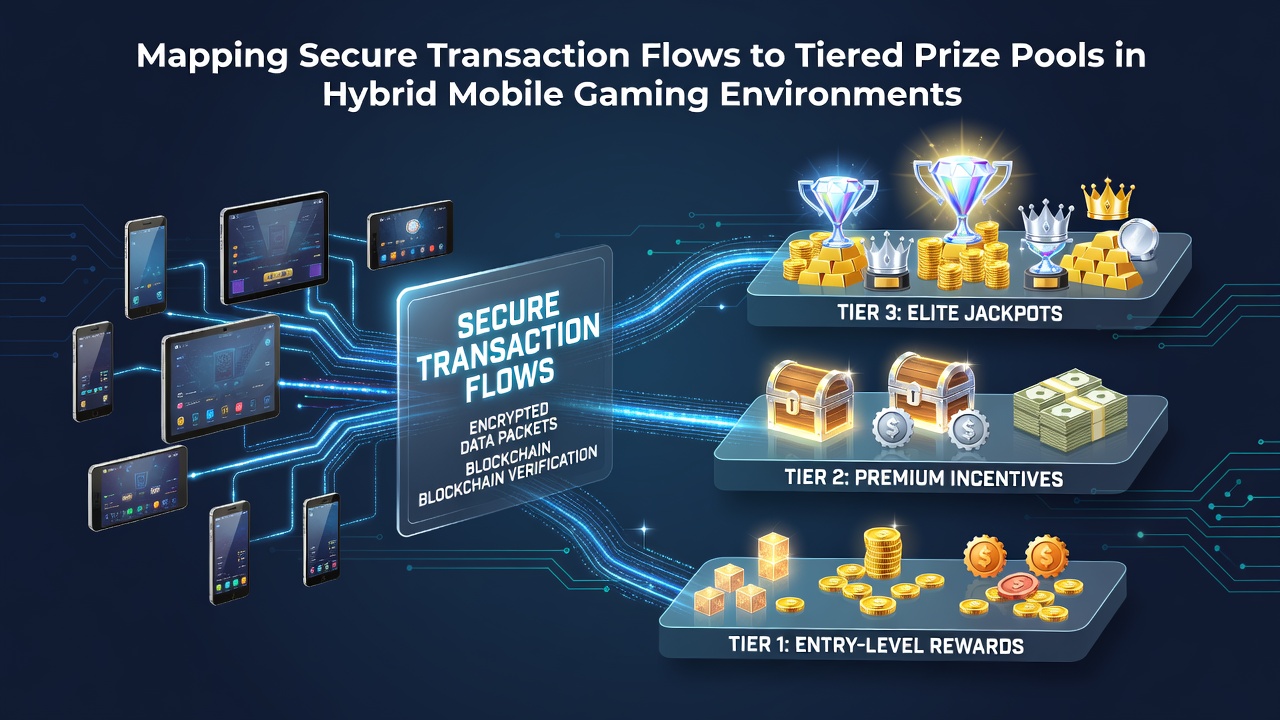
Secure transaction flows begin at the deposit stage where payment processors apply tokenization and multi-factor authentication before funds reach the operator's ledger, and these flows connect to prize pool tiers through algorithmic rules that allocate percentages of each deposit into low, medium, and high-level reward buckets. Researchers at institutions such as the National Institute of Standards and Technology have documented how encryption standards like AES-256 protect these pathways, while database schemas tag each transaction with metadata that triggers automatic tier assignments based on amount, frequency, and player history.
Operators segment prize pools into distinct layers where base pools fund daily free spins or small cashbacks, mid-tier pools unlock bonus rounds after cumulative deposits reach set thresholds, and top pools feed progressive jackpots that draw from aggregated contributions across global user bases. Mapping occurs through application programming interfaces that sync payment confirmations with reward engines in under two seconds, according to technical specifications shared at gaming technology conferences.
Integration in Hybrid Environments
Blended platforms run simultaneous slot mechanics and live dealer streams, yet transaction data routes through unified ledgers that distinguish between casual spins and high-stakes table play before assigning rewards. One study from a European research consortium revealed that 78 percent of hybrid apps now employ graph-based databases to visualize these flows, allowing administrators to trace any deposit straight to its corresponding prize tier allocation without manual intervention.
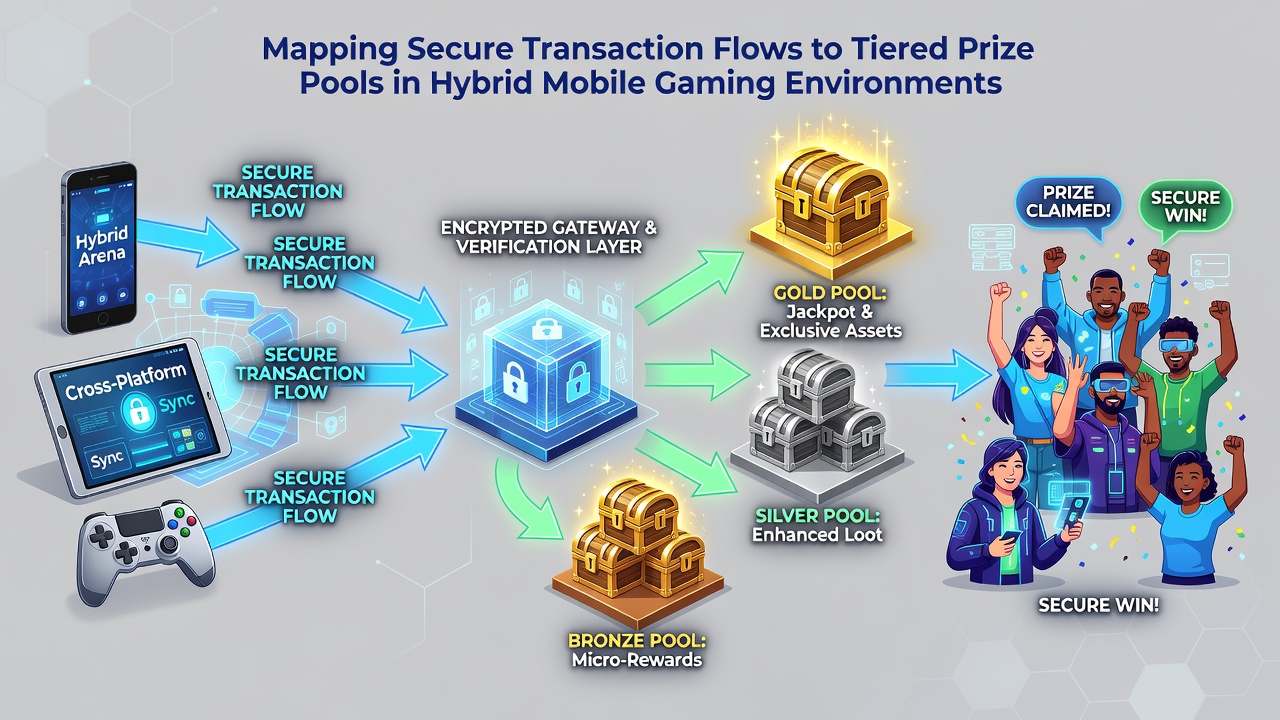
Security protocols embed compliance checks at each mapping step, so a deposit flagged for review pauses its allocation until cleared, and this prevents mismatches between funds and rewards. Figures from the European Commission digital finance reports indicate that standardized open-banking directives adopted in several regions have accelerated these mappings by enabling direct bank-to-wallet transfers that carry verified metadata from the outset.
Technical Architecture and Data Handling
Backend systems rely on event-driven architectures where each successful payment publishes an event to a message queue, and subscriber services then calculate tier placements using predefined formulas that factor in game type, session length, and recent activity. Observers note that latency remains below 500 milliseconds in optimized setups, which keeps players engaged while maintaining audit trails for regulatory reviews scheduled throughout 2026.
Hybrid environments add complexity because live dealer sessions generate separate transaction streams from automated slots, yet unified mapping engines reconcile both streams into shared prize pools using weighted contribution models. Those who have examined production logs from large operators report that reconciliation scripts run every fifteen minutes to adjust pool balances and prevent over-allocation during peak hours.
Future Developments Expected by Mid-2026
Platform updates slated for June 2026 include expanded use of zero-knowledge proofs that verify transaction legitimacy without exposing full details to reward engines, and early tests show these proofs reduce reconciliation errors by up to 40 percent. Industry groups continue to refine common data schemas that let different operators share mapping standards while preserving competitive separation of their prize structures.
Conclusion
Secure transaction mapping to tiered prize pools forms a foundational layer in hybrid mobile gaming, linking payment security directly to reward distribution through automated, encrypted processes that scale across game types. Continued refinement of these connections supports consistent operations as platforms prepare for volume increases projected into the second half of 2026 and beyond.