Global Payment Customs Redefining Loyalty Structures in Virtual Slots and Live Dealer Experiences
Written by Gisela Richter · May 22, 2026
Global Payment Customs Redefining Loyalty Structures in Virtual Slots and Live Dealer Experiences
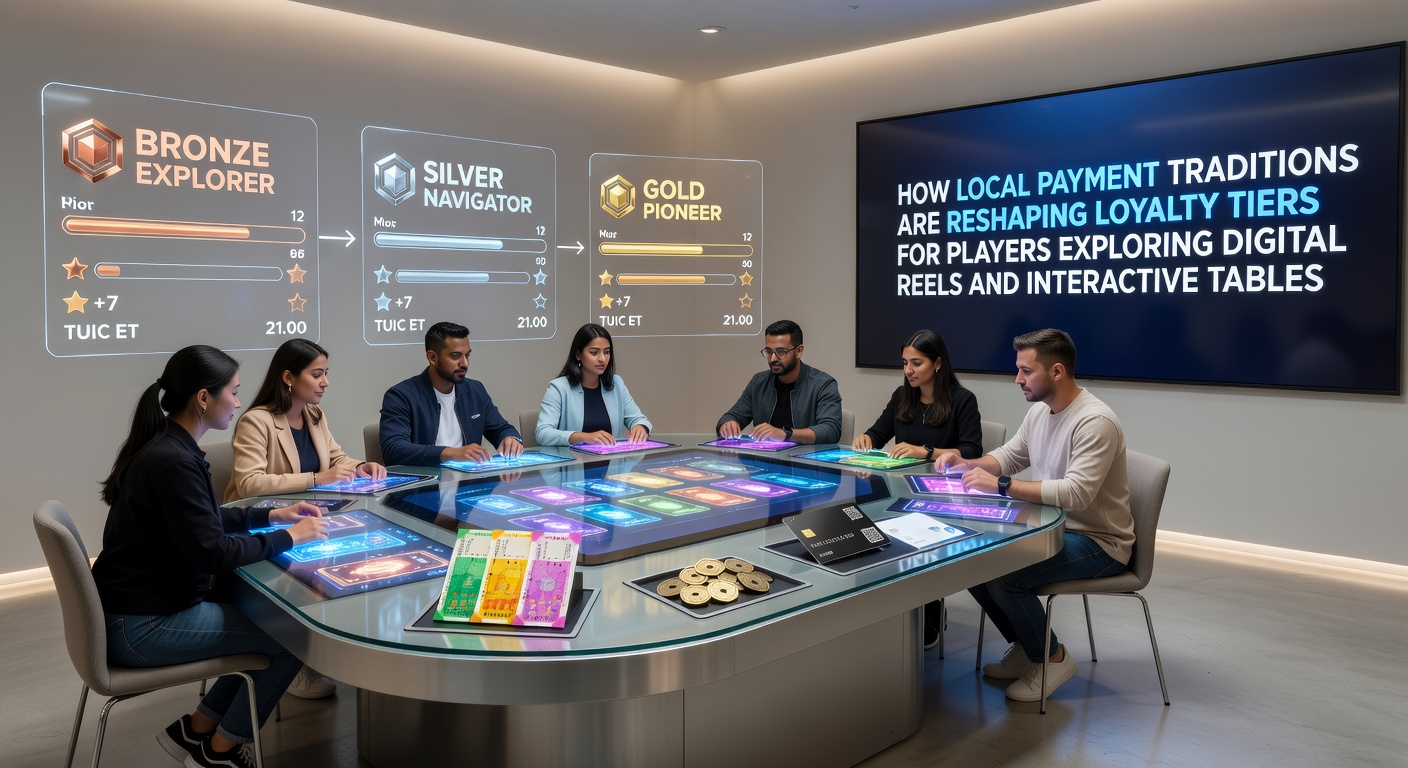
Payment methods rooted in specific regions have started influencing how operators structure loyalty programs for those spinning digital reels or joining interactive tables and the shift traces back to longstanding habits around cash handling, bank transfers, and mobile wallets that vary sharply from one market to another. Data from industry reports indicate that these customs now affect tier progression speeds, bonus multipliers, and reward redemption options in ways that reflect local banking norms rather than uniform global templates.
Regional Habits Shape Reward Pathways
Observers note that in parts of Asia mobile wallet transactions dominate daily commerce, which has prompted platforms to award accelerated loyalty points when players fund accounts through these familiar channels. Studies conducted by research institutions show that operators integrating such options record higher retention rates among users who previously navigated slower bank processes. Those who've tracked these patterns find that tier advancement accelerates because deposit frequency rises when the payment flow aligns with everyday routines.
European markets meanwhile rely heavily on instant bank transfers and cards issued by local institutions, leading developers to link loyalty escalators directly to these methods. Figures from gaming associations reveal that players completing transactions via SEPA or similar systems often unlock higher status levels faster than those using international alternatives. What's interesting here is how the seamless nature of these transfers reduces friction and encourages repeated play sessions across both slot titles and live dealer formats.
Case Examples from Diverse Markets
Take one operator serving Australian audiences where POLi and similar local bank-authenticated services have become standard. Research indicates these tools tie into loyalty frameworks by granting instant credit for tier qualification, allowing participants to climb ranks through consistent use of trusted domestic rails. One study revealed that such integration correlates with a measurable uptick in session lengths for interactive table games as well.
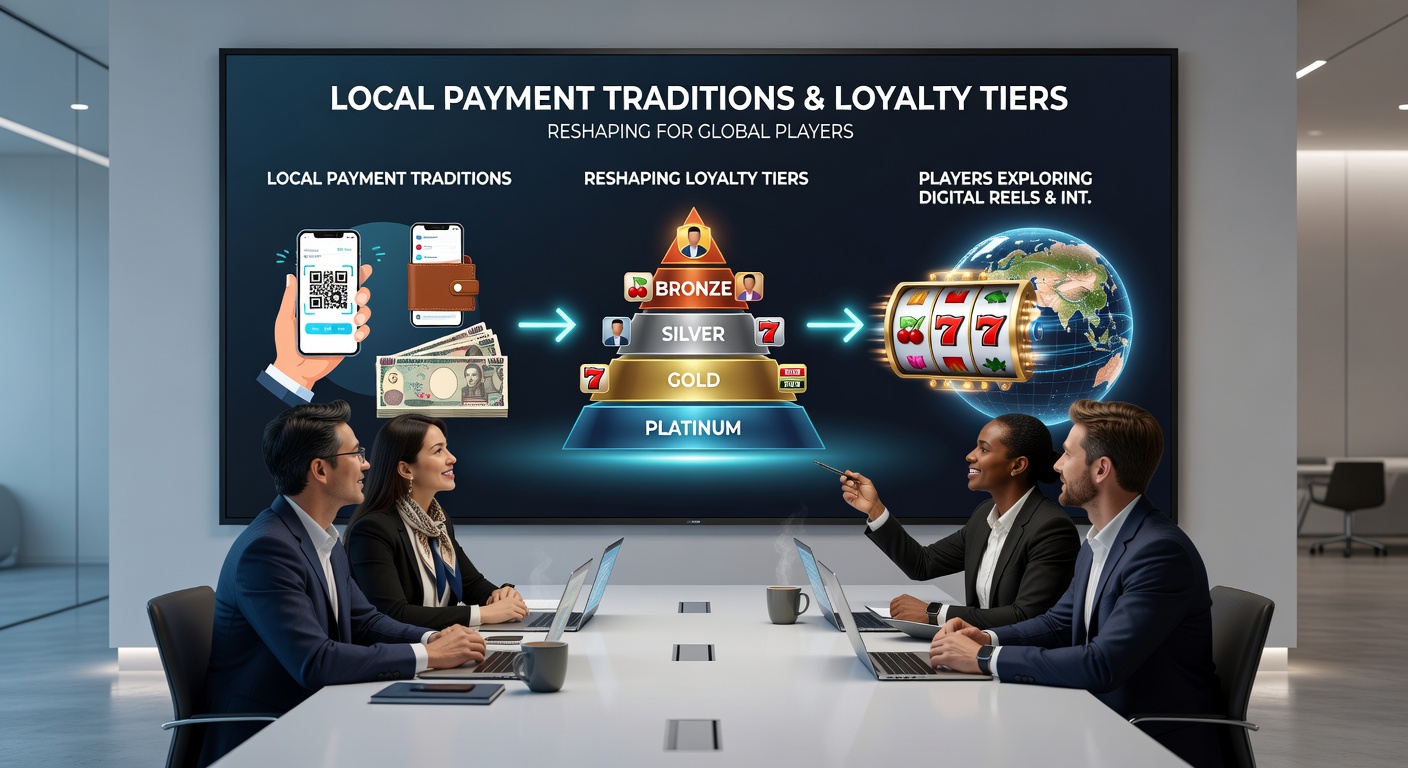
In Latin American jurisdictions, cash deposit networks at retail locations feed directly into digital accounts and operators have begun assigning bonus loyalty multipliers to these deposits. According to data compiled by trade groups this approach mirrors traditional offline betting customs and helps convert occasional players into dedicated tier members who frequent both digital reels and streamed table environments. The ball's in the operators' court to refine these mechanics further as adoption grows.
Technology Bridges Old Customs with New Tiers
Developers now embed APIs that detect payment origin and adjust loyalty parameters accordingly. Evidence suggests this personalization keeps programs relevant across borders because a player in one country earns prestige through methods that feel natural while another gains equivalent status via entirely different routes. May 2026 marks a period when several platforms plan expanded testing of these adaptive systems following pilot results shared at industry conferences.
Those monitoring trends point out that cryptocurrency options emerging in certain North American segments add another layer since blockchain transactions sometimes bypass traditional verification delays. Academic papers examining these developments highlight how such payments can compress the time between deposit and tier credit, particularly when paired with live dealer sessions that reward quick re-engagement.
Looking Ahead at Evolving Frameworks
Industry organizations continue to publish updates on how localized payment preferences intersect with loyalty design and the patterns show no signs of slowing. Players exploring digital reels alongside interactive tables benefit when systems acknowledge these differences rather than imposing one-size-fits-all rules. The reality is that successful programs will keep evolving alongside the banking habits they serve.
Conclusion
Local payment traditions continue to influence loyalty tier mechanics in measurable ways across slot and table formats. Reports from regulatory bodies and research entities document these connections through transaction data and retention metrics, while operators adapt structures to match regional expectations. As platforms refine their approaches the link between familiar payment flows and reward progression grows stronger, shaping how participants advance through prestige levels in the months ahead.