Developer Innovations Reshaping Reward Pathways in Multi-Platform Gambling Networks
Written by Elena Brooks · Jul 15, 2026
Developer Innovations Reshaping Reward Pathways in Multi-Platform Gambling Networks
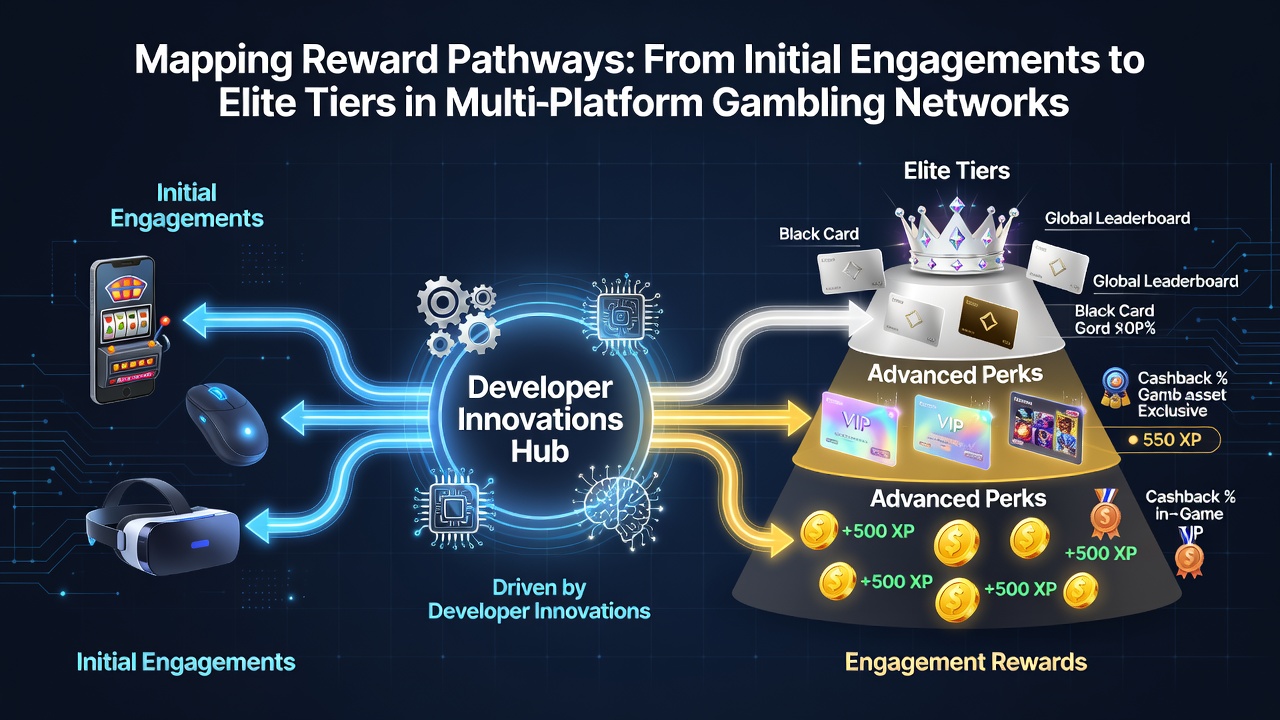
Player reward systems in gambling networks start with straightforward entry points and build toward complex elite structures, with software developers introducing tools that track activity and deliver incentives across mobile apps, desktop sites, and live dealer environments. These pathways rely on data integration that connects first-time deposits or spins to longer-term engagement metrics, while platform operators adjust offerings based on individual play patterns observed over time.
Initial Engagement Mechanisms
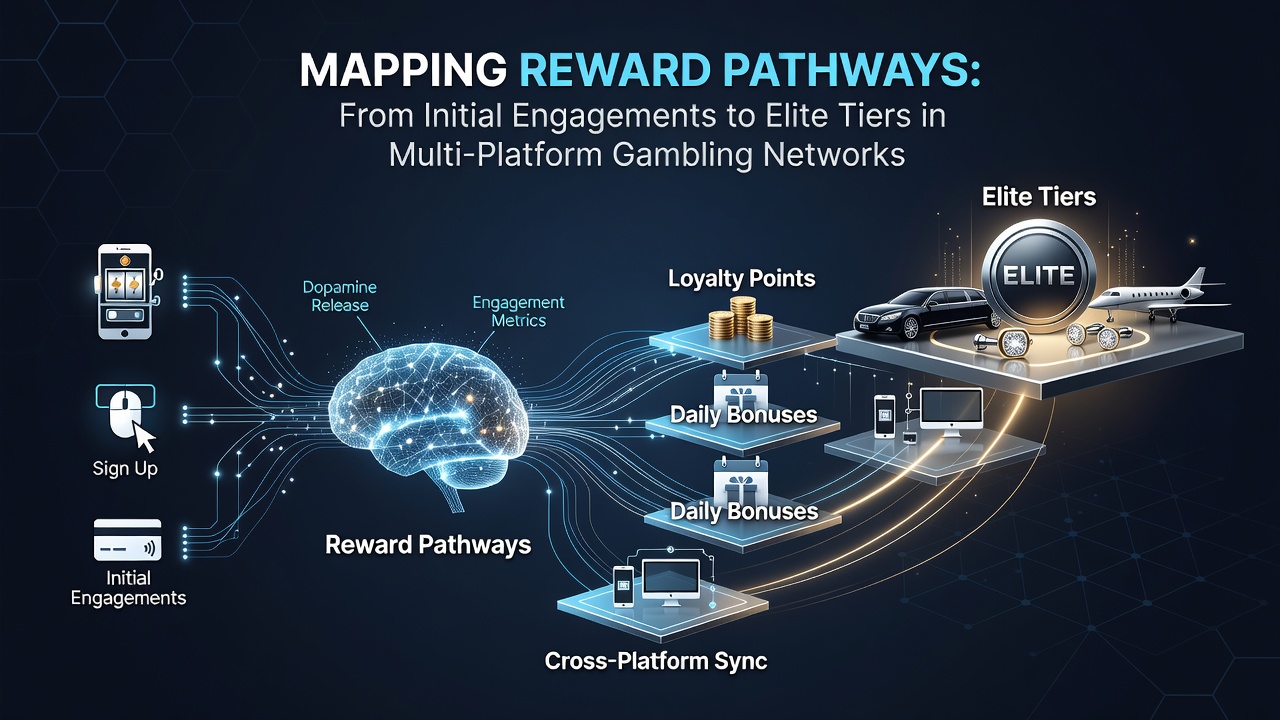
Early interactions often involve sign-up incentives such as matched deposits or limited free spin allocations, which developers embed directly into game interfaces to encourage immediate platform exploration. Software providers have refined these entry rewards by incorporating quick verification processes and instant credit systems that reduce friction between registration and first play sessions, and data from industry reports shows higher retention rates when these initial offers align with player preferences detected through basic behavioral signals.
Cross-platform consistency plays a key role here, as innovations allow the same reward credits to transfer seamlessly whether users switch from a smartphone slot session to a desktop live table or vice versa. Developers achieve this through unified account systems that log activity in real time, creating a single profile that follows the player regardless of device.
Progression Through Loyalty Layers
Once initial play establishes a baseline, loyalty programs activate point accumulation tied to wager volume and game variety, with developers adding algorithmic adjustments that accelerate point earnings for repeated participation in specific titles. Tier advancement typically follows cumulative thresholds, moving participants from basic levels offering minor cashback percentages to intermediate stages that unlock additional bonus multipliers and priority support access.
According to research published by the American Gaming Association, structured loyalty frameworks contribute measurable increases in session frequency across operator networks. Those who've studied these systems note that developers frequently introduce dynamic scaling where point values adjust based on overall network activity, allowing faster movement through tiers during peak promotional periods without altering core game mathematics.
Elite Tier Features and Customization
At the upper levels, reward pathways incorporate personalized elements such as dedicated account managers, exclusive tournament entries, and tailored promotional calendars that developers support through advanced analytics engines. These elite structures often include physical perks like event invitations or merchandise, yet the digital backbone remains the ability to deliver instant, platform-agnostic redemptions that maintain engagement momentum.
What's interesting is how multi-platform integration extends these benefits, with developers creating unified dashboards that display progress toward next-tier qualifications whether the user accesses via mobile, tablet, or desktop. This setup enables operators to route rewards through whichever channel shows the highest recent activity, sustaining participation without requiring manual transfers between accounts.
Developer Tools Driving Innovation
Recent advancements include machine learning modules that predict optimal reward timing and type for each account, reducing generic offers in favor of targeted incentives that align with demonstrated preferences. As of July 2026 several major providers have rolled out enhanced API connections that let platforms combine loyalty data with live game outcomes, generating rewards that reflect real-time performance rather than static historical averages.
Another development involves gamification layers such as progress bars and achievement badges that developers integrate into both slot and table game environments, turning routine play into visible milestone tracking that carries across devices. These features connect directly to the tier system, where reaching certain achievement counts can trigger automatic level upgrades or bonus releases without additional player action.
Cross-Platform Data Flow
Network operators rely on centralized databases that aggregate activity from all access points, allowing reward calculations to consider total engagement rather than isolated sessions on one platform. Developers have strengthened this by introducing secure token systems that verify player identity and transaction history instantaneously, which supports uninterrupted reward delivery even during device switches mid-session.
Studies from the International Center for Gaming Regulation indicate that such integrated tracking correlates with extended player lifecycles when rewards remain consistent across environments. Observers note that the technical architecture supporting these flows continues to evolve, with emphasis on reducing latency in point updates and reward notifications to maintain perceived immediacy for participants.
Conclusion
Reward pathway construction in these networks depends on layered incentives that developers refine through ongoing technical updates, moving participants from basic entry offers through accumulating loyalty stages and into customized elite benefits. The result is a connected experience that spans multiple platforms while maintaining continuity in how progress is measured and rewarded, supported by data systems that adapt to observed behaviors over extended periods.