Cross-Format Reward Engineering: Game Studios Forge Alliances Between Mobile Slots, Live Tables, and Loyalty Systems
Written by Gisela Richter · Aug 21, 2026
Cross-Format Reward Engineering: Game Studios Forge Alliances Between Mobile Slots, Live Tables, and Loyalty Systems
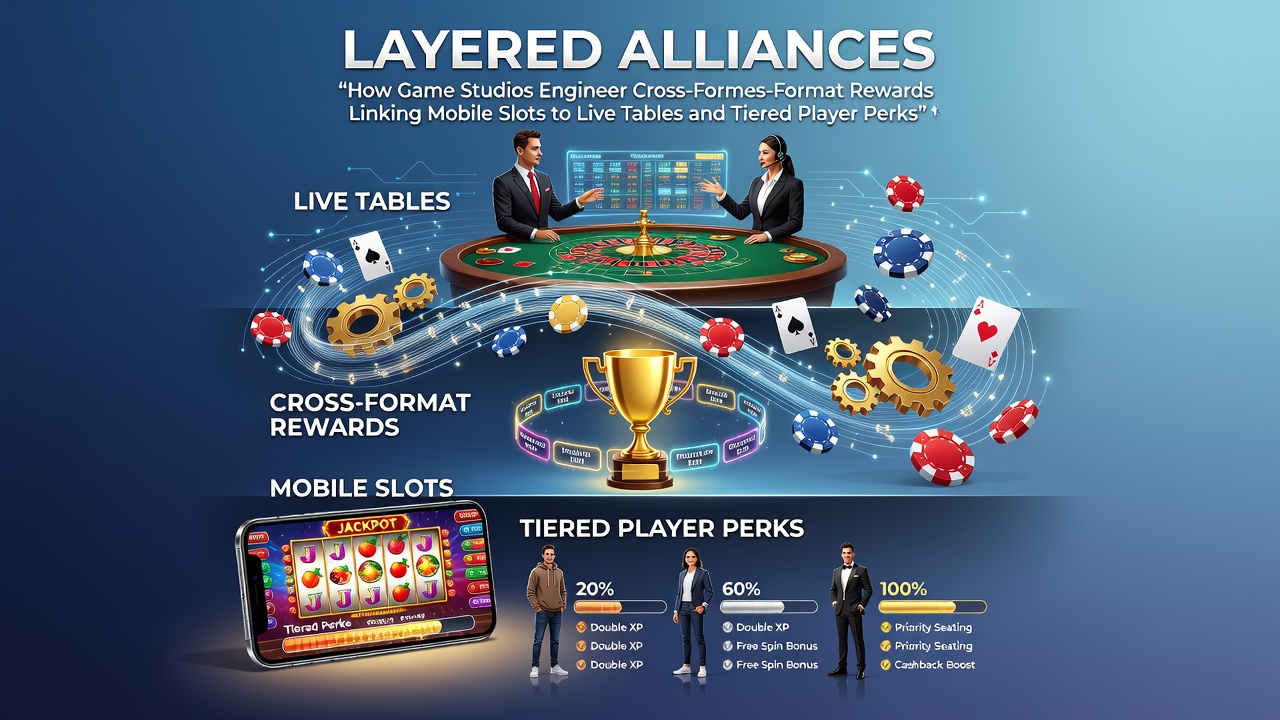
Game studios have developed systems that connect mobile slot activity directly to live table environments through shared player accounts and synchronized loyalty structures, allowing points accumulated during portable sessions to influence seating priorities and bonus access at physical or streamed dealer tables. These connections rely on unified databases that track player behavior across formats while maintaining separate game rules and regulatory compliance layers for each platform.
Mechanics of Cross-Format Point Transfers
Developers implement application programming interfaces that convert spin outcomes and wager volumes from mobile slots into equivalent credits usable at live tables, with conversion rates adjusted according to game volatility and session duration. Players who reach certain thresholds on mobile devices unlock reserved spots in live dealer rooms or receive accelerated progression toward higher loyalty tiers that grant access to exclusive table limits and personalized dealer interactions. Data from industry tracking platforms shows these transfers occur in real time during August 2026 updates that incorporated faster cloud synchronization protocols across multiple studio networks.
Tiered Perk Structures and Their Integration
Loyalty programs divide participants into graduated levels where mobile slot performance contributes to live table privileges such as reduced minimum bets, complimentary drink services during streamed sessions, and priority entry into progressive jackpot pools that span both formats. Studios design these tiers using algorithms that weigh total handle across devices rather than isolated platform activity, ensuring consistent advancement regardless of whether a player begins on a smartphone or transitions to a live environment. Research from the University of Nevada's gaming analytics division indicates that such unified tier systems increase average session length when rewards activate seamlessly between mobile and live segments.
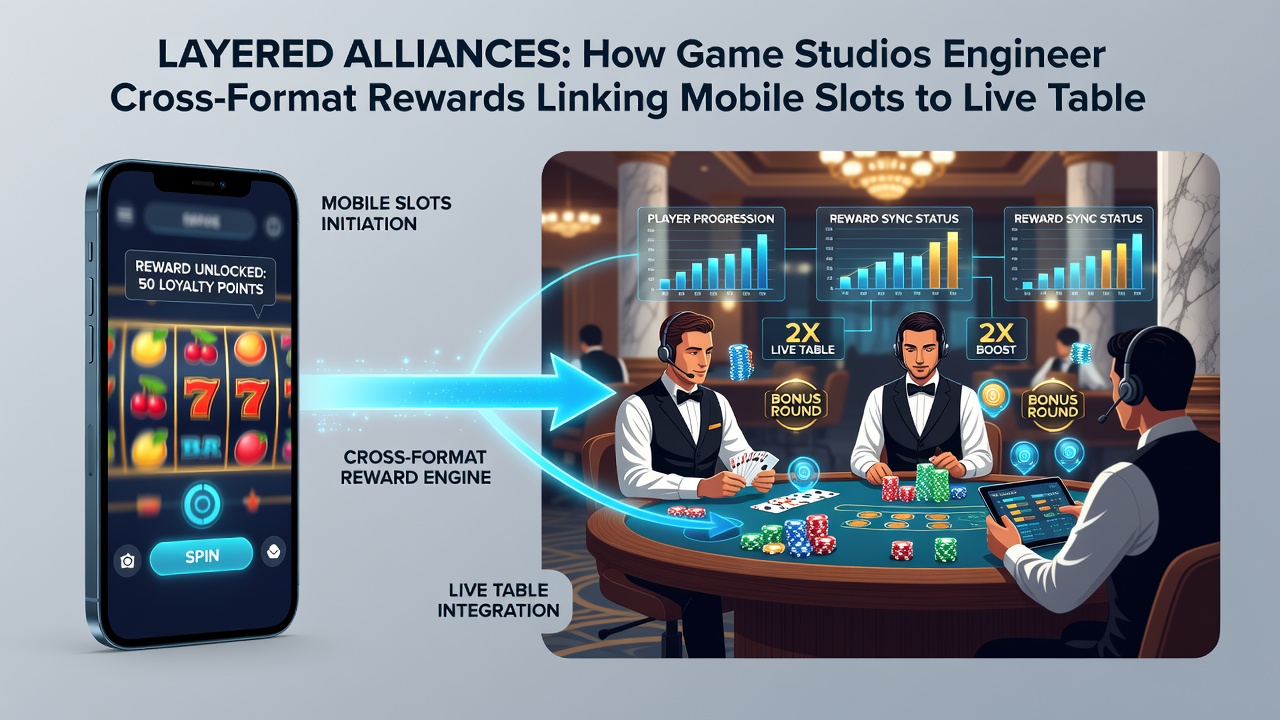
Perks at upper tiers often include custom tournament invitations that combine slot leaderboards with live table competitions, where standings from one format carry over to determine eligibility in the other. Observers note that these layered benefits encourage sustained engagement because early mobile activity directly shapes later live table opportunities without requiring separate enrollment processes.
Technical Architecture Behind the Alliances
Studios build middleware layers that reconcile differing random number generators and table mechanics while preserving a single player identity across environments, using encrypted token exchanges to prevent duplication of rewards. August 2026 brought several studios to adopt enhanced blockchain elements for audit trails that record every cross-format transaction, satisfying oversight requirements from bodies such as the Nevada Gaming Control Board. These technical choices allow live table operators to verify mobile-originated credits without exposing underlying slot algorithms, maintaining separation between game types while sharing loyalty data.
Additional features include dynamic difficulty adjustments in live tables based on a player's mobile history, where frequent high-volume slot users receive adjusted table speeds or bonus round triggers that align with their established patterns. Such engineering reduces friction for participants who move between formats during a single evening of play.
Industry Examples and Implementation Patterns
One major developer integrated mobile slot multipliers that automatically apply to live table side bets once a player logs in through the shared account, creating immediate value for those who shift from portable devices to dealer tables. Another studio introduced seasonal events in August 2026 where mobile slot achievements unlocked live table qualifiers, with progression tracked through a central dashboard visible on both mobile apps and casino floor kiosks. These patterns demonstrate how alliances form around shared data infrastructure rather than identical game designs.
According to findings published by the American Gaming Association, operators using these cross-format systems report higher retention rates among players who engage with multiple game types within the same loyalty framework. The structures also accommodate regional regulatory variations by segmenting reward pools according to jurisdiction while keeping the underlying player tier visible across borders.
Future Developments in Reward Layering
Studios continue refining predictive models that anticipate when mobile slot players are likely to transition to live tables, triggering targeted perk offers such as waived entry fees or enhanced starting stacks. These models draw on aggregated behavior data without storing individual gameplay sequences, preserving privacy standards required by various international oversight entities. The result is an expanding network of alliances that treat mobile slots and live tables as interconnected components of a single player journey rather than isolated products.
Conclusion
Game studios maintain these layered alliances through continuous updates to data pipelines, loyalty algorithms, and compliance modules that keep mobile slot activity and live table participation aligned within unified tier systems. The approach relies on technical precision and regulatory adaptability to deliver consistent player progression across formats while supporting distinct game experiences in each environment.