Algorithm Pathways Linking Bonus Triggers to Payment Systems and Tiered Mobile Jackpot Structures
Written by Quinn Griffin · Jul 29, 2026
Algorithm Pathways Linking Bonus Triggers to Payment Systems and Tiered Mobile Jackpot Structures
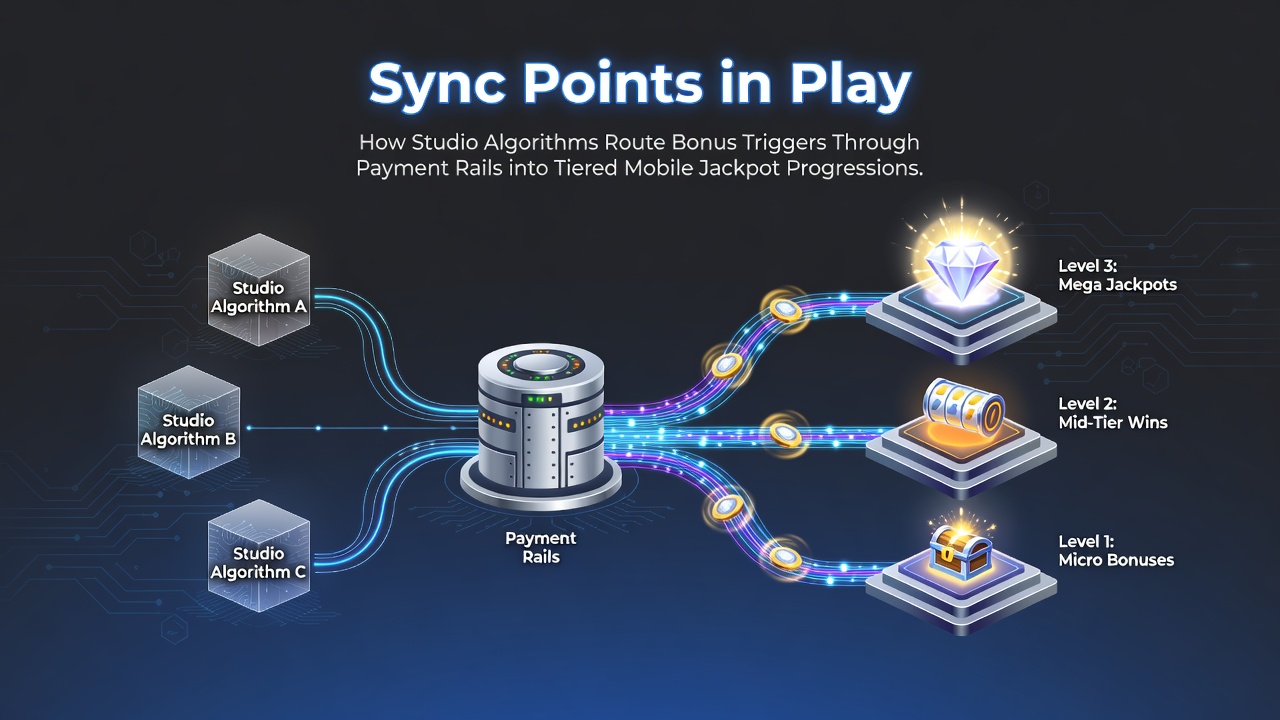
Studio algorithms manage the flow of bonus triggers by coordinating with payment rails that handle transaction data in real time, and these systems feed directly into tiered structures where mobile jackpot progressions accumulate across player accounts. Research from the American Gaming Association indicates that integration points between game studios and payment processors have expanded since 2024, with data showing increased synchronization rates in mobile environments during the first half of 2026.
Payment rails serve as the conduits that carry verified transaction details from deposits and wagers into backend systems, while studio algorithms evaluate those inputs against predefined trigger conditions. When a bonus activation meets the criteria, the algorithm routes the event through the same rails to update jackpot meters at multiple tiers, ranging from local mobile pools to broader networked progressions. Observers note that this routing occurs without separate manual intervention because the systems operate on shared data protocols that align timing and validation steps.
Core Components of Algorithm Routing
Algorithms developed by gaming studios incorporate decision trees that assess wager amounts, session duration, and payment confirmation status before releasing a bonus trigger, and these trees connect to payment rail APIs that return status codes within milliseconds. Data from industry reports published in July 2026 by the Canadian Gaming Association highlights that such connections reduced latency in jackpot updates by measurable percentages compared to earlier architectures. The tiered progression model then receives the routed trigger, incrementing values at base, intermediate, and premium levels based on player segmentation rules embedded in the studio code.
Those who examine system logs find that payment rails also carry return signals confirming successful updates, which prevents duplicate triggers from entering the progression queue. Experts have observed that this bidirectional flow maintains consistency across mobile devices even when network conditions vary, since the algorithms include retry logic tied to payment confirmation timestamps. Studies conducted at research institutions focused on digital entertainment technology show that these mechanisms support simultaneous updates for thousands of concurrent sessions without compromising data integrity.
Integration Points Between Studios and Payment Processors
Studio teams establish direct interfaces with payment processors through standardized protocols that transmit encrypted transaction metadata, and the algorithms parse this metadata to determine eligibility for bonus routing. Figures from European gaming trade groups reveal that adoption of these interfaces grew steadily through 2025 and into mid-2026, driven by requirements for faster reconciliation between player actions and jackpot contributions. The tiered mobile structures rely on cumulative data points that arrive via the rails, allowing progressions to reflect both individual player activity and aggregated contributions from broader player bases.
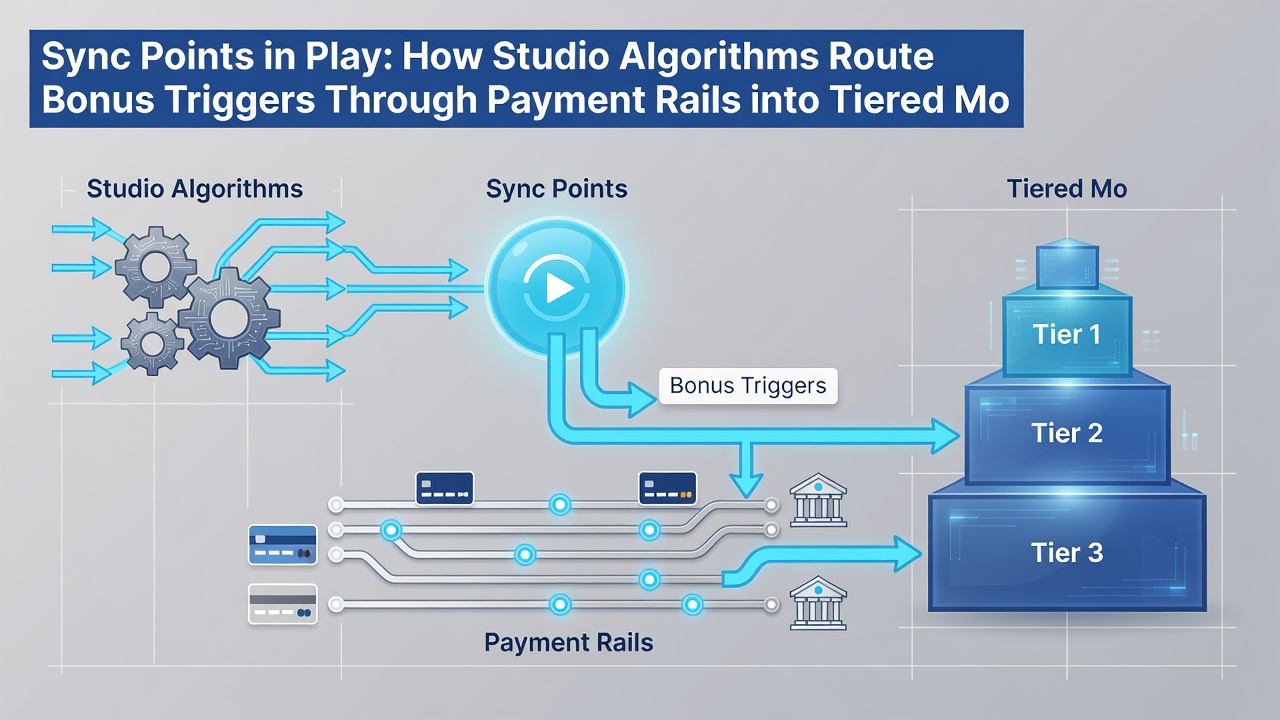
One documented case involved a studio that adjusted its trigger thresholds after analyzing rail traffic patterns, resulting in more even distribution of bonus activations across jackpot tiers. Researchers discovered that such adjustments depended on real-time feedback loops supplied by the payment systems, which supplied granular details on failed versus successful transactions. Those details enable the algorithms to reroute triggers dynamically, avoiding stalled progressions that could occur during peak mobile usage periods.
Technical Flow of Bonus Triggers and Jackpot Updates
Bonus triggers originate from in-game events that the studio algorithm evaluates against payment-verified balances, after which the system packages the trigger data and sends it across the rail to the jackpot management module. The module parses the incoming packet, assigns the appropriate tier based on player history and current contribution levels, then returns confirmation through the same channel. Reports from Australian regulatory bodies indicate that this closed-loop process supports compliance logging requirements by capturing each routing step with associated timestamps and identifiers.
Additional layers of the algorithm handle edge cases such as partial payments or interrupted sessions, routing those triggers into holding queues until the payment rail delivers complete validation. People who review operational metrics note that these queues maintain order through timestamp sequencing, ensuring that jackpot progressions reflect accurate chronological contributions. The result is a continuous flow where mobile players see updated tier values shortly after completing qualifying wagers or deposits.
Conclusion
Studio algorithms continue to refine their connections with payment rails as mobile jackpot systems evolve, with data exchange protocols supporting increasingly granular tier management. Evidence from multiple industry sources demonstrates that these integrated pathways handle the routing of bonus triggers reliably across diverse device environments and transaction volumes. The structures remain dependent on precise synchronization between game logic and payment processing to sustain progression accuracy at every level.