Algorithm-Driven Reward Structures in Blended Gaming Environments
Written by Quinn Griffin · Aug 12, 2026
Algorithm-Driven Reward Structures in Blended Gaming Environments
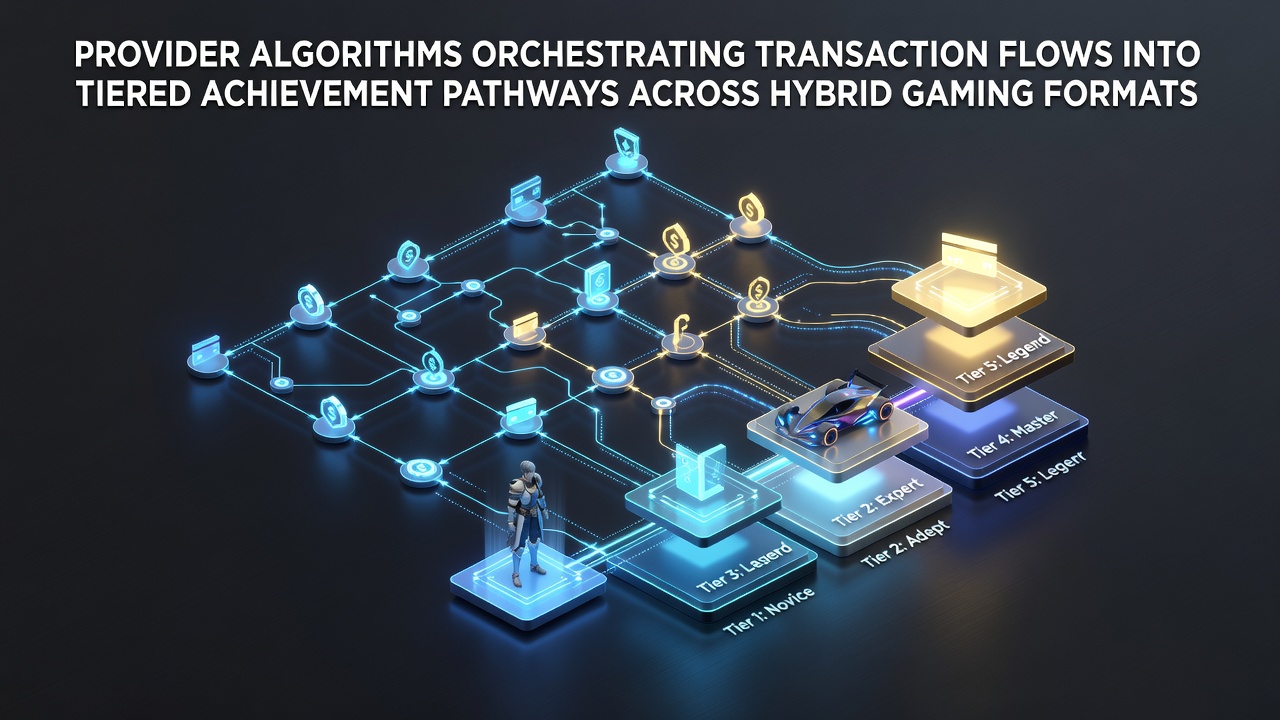
Provider algorithms now coordinate player deposits and wagers across slots, live dealer tables, and mobile interfaces to feed into layered achievement systems that adjust in real time, and these mechanisms rely on data streams that capture transaction velocity, session duration, and cross-format engagement patterns. Observers note that the core process begins when a transaction enters the provider backend, where rules engines evaluate the amount, frequency, and game type before assigning the activity to a specific tier progression track.
Core Mechanics of Transaction Routing
Algorithms segment incoming transactions by format while maintaining a unified player profile, so a series of small mobile slot bets combines with occasional live dealer wagers to determine eligibility for higher reward brackets. Researchers have documented that rule sets typically include velocity thresholds that trigger when cumulative spend reaches preset milestones, and these thresholds update dynamically based on historical behavior within the same account. Data from industry platforms shows that hybrid environments generate transaction logs at rates exceeding 10,000 events per minute during peak hours, requiring algorithms to prioritize and queue actions without latency that would disrupt gameplay.
Systems further distinguish between deposit-triggered events and in-game wager events, routing each category toward separate but interconnected achievement ladders, while bonus funds and real-money stakes follow parallel but distinct calculation paths. Experts have observed that this separation prevents overlap between promotional credits and cash play when calculating tier advancement, and the separation also supports compliance with varying jurisdictional requirements across different licensing regions.
Layered Achievement Pathways in Practice
Tiered pathways operate through progressive unlock sequences that grant access to elevated reward multipliers, exclusive game modes, and personalized promotional schedules once transaction totals cross defined boundaries. One documented implementation tracks three primary tiers where the entry level activates after 500 units of combined play across formats, the intermediate tier unlocks at 2,500 units, and the top tier activates at 10,000 units, with each boundary recalculated monthly to reflect current player cohorts. Algorithms monitor these aggregates continuously, applying decay functions that reduce inactive balances over defined periods to maintain engagement incentives.
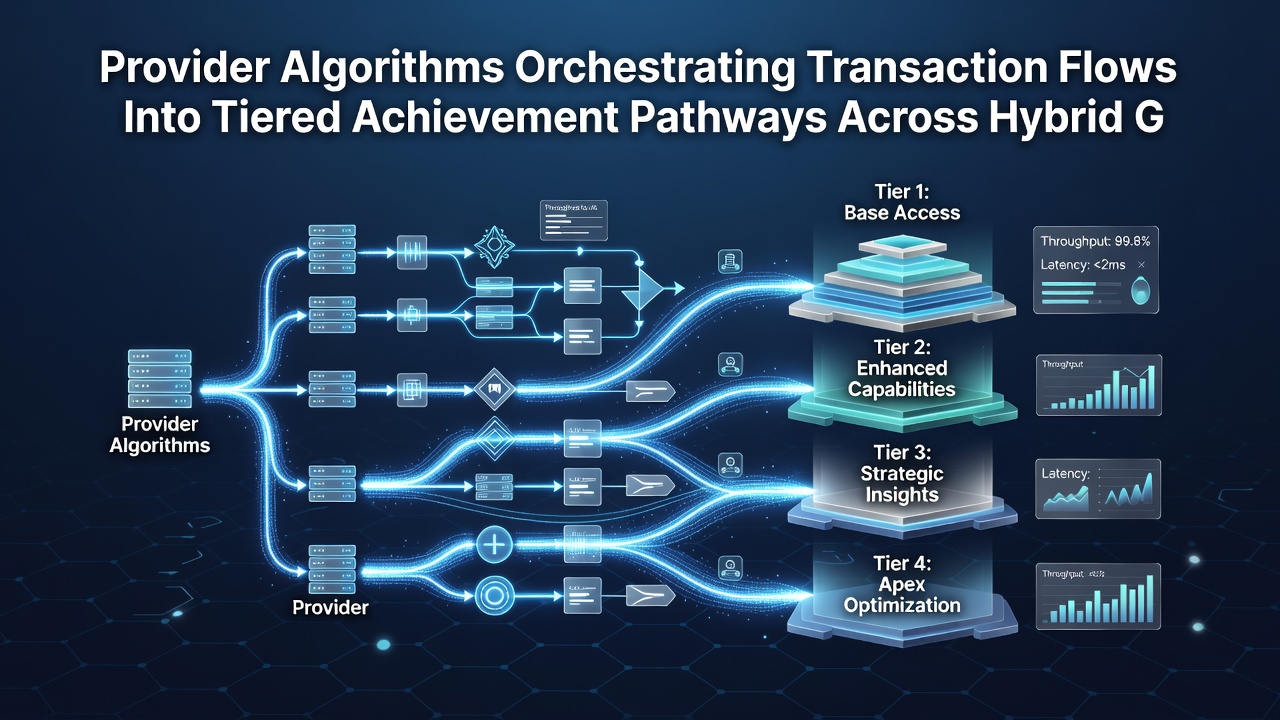
Hybrid formats introduce additional variables because live dealer sessions produce longer but lower-frequency transactions compared with rapid slot spins, and algorithms must normalize these differences to keep pathways equitable. Studies from academic research groups indicate that normalization factors often incorporate average bet size per minute and session completion rates, allowing the system to credit progress proportionally regardless of chosen game type. Providers integrate these calculations into central servers that sync with both web and mobile clients, ensuring that a player switching between desktop live tables and mobile slots experiences uninterrupted tier progression.
August 2026 Platform Updates and Data Integration
Reports released in August 2026 highlighted expanded use of machine-learning models that predict future transaction patterns based on the previous six months of activity, and these models adjust tier boundaries for individual players rather than applying uniform thresholds across all accounts. The adjustments occur weekly, drawing on aggregated anonymized datasets that regulatory bodies in multiple regions require providers to maintain for audit purposes. Integration with third-party analytics services has also increased, allowing smaller operators to access the same routing sophistication previously limited to large integrated platforms.
According to findings published by the University of Nevada, Reno Center for Gaming Research, hybrid-format players who receive algorithmically timed tier notifications show higher retention across both slot and table game verticals compared with single-format cohorts. The study examined transaction records spanning 18 months and identified a 14 percent increase in cross-format movement when pathways incorporated real-time feedback loops. Similar patterns appear in data shared by the Australian Communications and Media Authority through its annual interactive gaming reports, which track how reward structures influence player distribution across licensed operators.
Technical Architecture Supporting Cross-Format Flows
Backend architecture typically consists of a transaction ingestion layer, a rules evaluation engine, and a pathway orchestration module that communicates with front-end clients. The ingestion layer normalizes data from disparate game servers into a common schema, while the evaluation engine applies decision trees that reference both current balance and historical velocity metrics. Orchestration modules then push updated tier status to player dashboards, triggering visual and audio cues that reinforce progression without interrupting active sessions.
Security protocols encrypt transaction metadata at each hop, and access controls restrict algorithm parameters to authorized administrative roles. Observers note that these safeguards also support dispute resolution processes when players question tier calculations, because logged decision paths remain available for review. Scalability remains a primary concern, as peak transaction volumes during promotional events can exceed baseline loads by factors of five or more, requiring elastic cloud resources that algorithms automatically provision.
Conclusion
Provider algorithms continue to refine the connection between everyday transactions and long-term achievement structures across hybrid gaming environments, and ongoing platform updates scheduled through late 2026 indicate further personalization of tier boundaries based on individual behavioral signatures. The systems maintain consistency by normalizing data from slots, live dealer, and mobile channels into unified progression models that operate transparently for both operators and players.